OCD is often misunderstood as liking things tidy. Many people with obsessive-compulsive symptoms are not especially neat. They are stuck in a loop: an intrusive thought, image, or doubt arrives, anxiety spikes, and a ritual or mental review temporarily turns the volume down. The relief does not last, so the cycle repeats. Hours can disappear into checking, washing, repeating phrases, seeking reassurance, or replaying a conversation to make sure nothing “bad” happened.
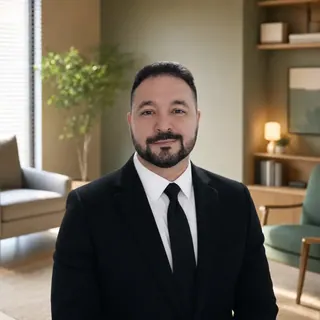
SteadyMind can evaluate OCD and related symptoms by telehealth in Florida. You must be in the state during the visit. Care is available with Alexeis for adults in English and Spanish, and with Rosemarie for adults in English with self-pay or select insurance plans through Headway. Diagnosis is never assumed from a website article, and no medication is guaranteed.
Intrusive thoughts are not the same as wishes
Intrusive thoughts can be violent, sexual, blasphemous, or simply “what if I left the stove on.” Having the thought is not the same as intending it. Shame keeps many people from describing the content, which then delays care. A psychiatric visit is a place to describe the loop without being treated as dangerous for having a thought you do not want.
OCD also sits near other conditions. Generalized anxiety is more “what if the future goes wrong.” Depression can add hopelessness on top of exhaustion from rituals. ADHD can look like repeating tasks because details were missed, which is different from repeating them to neutralize a feared meaning. Tics, body-focused habits, and illness anxiety may overlap. Sorting these takes time and a full history.
What treatment planning can include
Evidence-based therapy for OCD, especially approaches that help you practice sitting with uncertainty, is often central. Medication can be part of care when clinically appropriate. Neither is promised on a first visit. Adults may need help explaining the illness to a partner or family member who has been pulled into checking rituals.
The initial visit is 60 minutes. Medication follow-up is 15 or 30 minutes with the same clinician. If forms or school letters are requested, they are completed only when clinically appropriate, at $25 during a visit (plus the visit fee) or $75 outside a visit. Telehealth is statewide in Florida; Arizona care is not open for scheduling.
If this sounds like your days, read mood, OCD, and sleep care, anxiety, and what the first visit includes, then book. You do not have to have the “right words” before you call (813) 534-5584.
Reassurance, families, and time
Families often get recruited into OCD without noticing. A partner answers the same question ten times. A family member checks the lock “just so they can sleep.” Short-term peace is purchased at the price of a stronger loop. Part of psychiatric education is helping loved ones stop feeding the ritual while still being kind. That work is slower than a pill, and it is often the work that lasts.
Time loss is a useful measure. If getting out of the house takes two hours, if a shower has rules that cannot be skipped, if you replay sending an email until you miss the next task, say those numbers in the visit. Clinicians need the scale of the problem, not only the theme of the thoughts. Shame makes people under-describe. You will not be asked to perform rituals on camera.
Spanish-speaking adults can describe these loops with Alexeis in their first language, which matters when the feared sentences are culturally or religiously loaded. Adults can see Rosemarie in English. Book when you have privacy; OCD content is hard to discuss from a hallway.